
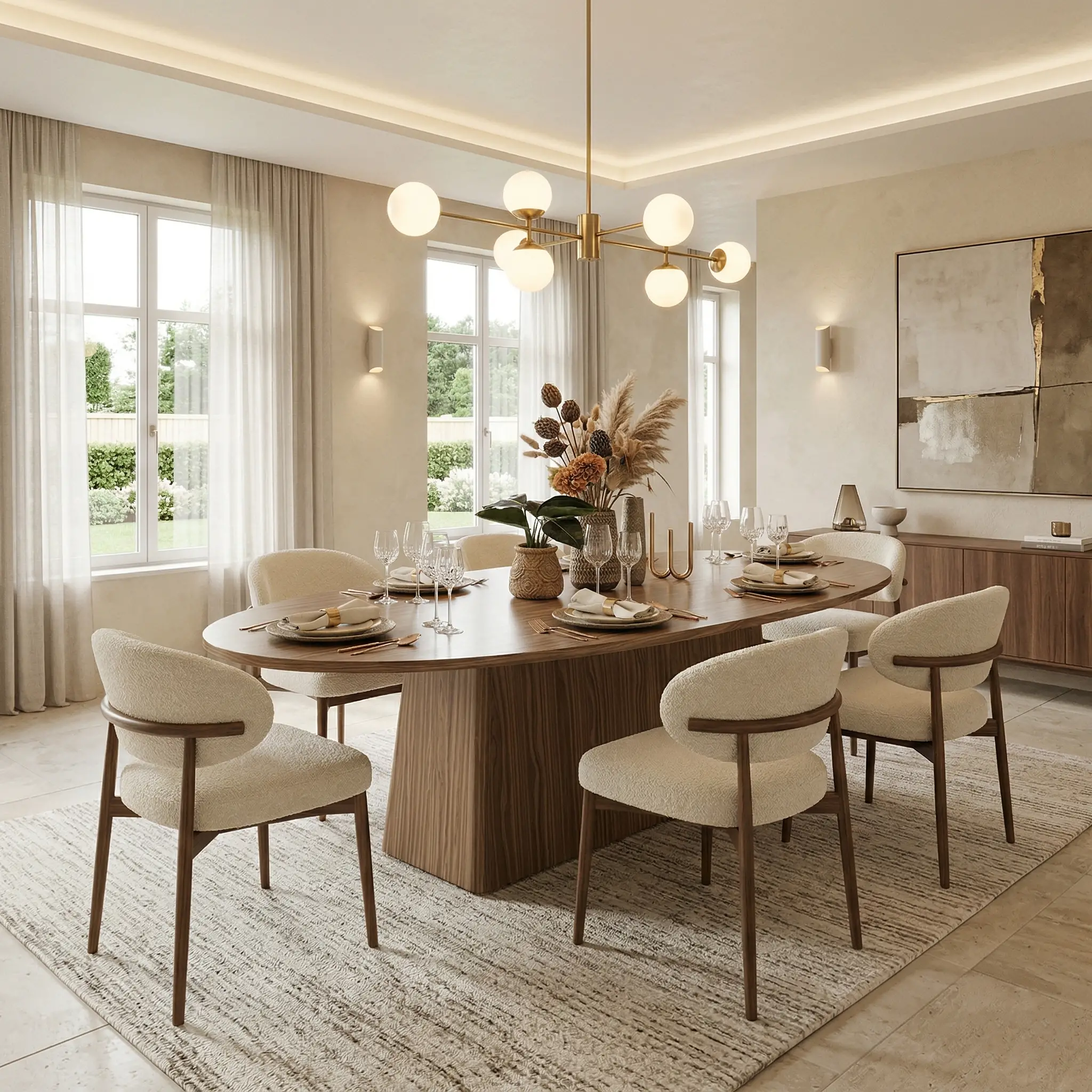
A room does not need a large number of furniture pieces to make a strong impression. Often, one well-chosen table, bed, console, or TV unit can influence the character of an entire space.
The furniture pieces with the greatest visual impact usually have something distinctive about them. It could be an unusual silhouette, substantial scale, natural stone surface, sculptural base, rich upholstery, or simply a strong relationship with the surrounding architecture. Placement matters just as much. A beautiful piece can lose its impact when surrounded by too many competing elements.
So, which furniture pieces give the biggest visual impact? The answer depends on the room, its layout, and the role each piece plays within the space. In this guide, we’ll look at how beds, dining tables, coffee tables, TV units, and console tables can become focal points, along with the design principles that help create impact without making a room feel crowded.
What Makes a Furniture Piece Visually Impactful?
Visual impact is the ability of a furniture piece to immediately attract attention and influence how the rest of the room is perceived. It does not necessarily mean that the piece has to be oversized or extravagant.
Several factors contribute to visual impact:
- Scale: Larger or well-proportioned pieces naturally command attention.
- Shape: Distinctive curves, sculptural forms, and strong geometric profiles can make furniture more noticeable.
- Material: Marble, stone, wood, textured upholstery, and metal can each create a different visual character.
- Placement: Positioning a piece where the eye naturally travels can increase its prominence.
- Contrast: Differences in colour, texture, finish, or form can help furniture stand out.
This is why statement furniture pieces can sometimes transform a room more effectively than several smaller decorative objects. A carefully selected focal piece gives the room a visual direction, while the surrounding furniture can remain relatively restrained.
Start With One Anchor Furniture Piece Per Room
Why Every Room Needs a Focal Point
A focal point gives the eye somewhere to settle. In a bedroom, this is often the bed. In a dining area, the dining table naturally takes this role, while a coffee table or TV unit can anchor a living room.
Choosing one primary piece first also makes subsequent furniture decisions easier. The supporting pieces can be selected according to its scale, material, colour, and shape.
Choosing Impact Without Overcrowding
A statement piece needs visual space around it. If every piece of furniture is designed to attract attention, the room can quickly feel busy.
Instead, allow one piece to dominate and keep the surrounding furniture quieter. This is particularly effective to create luxury interiors, where space and proportion are often as important as the furniture itself.
Balancing Statement and Supporting Furniture
Supporting furniture should complement the focal piece without competing with it. A sculptural coffee table, for example, can be paired with simpler sofas and accent chairs.
The same principle applies throughout the home: statement furniture for living room spaces works best when the rest of the arrangement provides visual breathing room.
Beds: The Furniture Piece That Defines Bedrooms
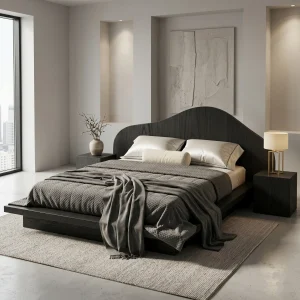
The bed is generally the largest and most visually prominent piece in a bedroom, making it a natural focal point.
Using Beds as Visual Anchors
A bed establishes the scale and direction of the entire bedroom. Its position determines where side tables, benches, lighting, rugs, and other furniture are placed.
A distinctive headboard or frame can make the bed even more prominent, allowing the rest of the bedroom to remain relatively understated.
Shapes, Headboards, and Scale
Shape has a significant influence on how a bed is perceived. Curved and arched headboards create a softer appearance, while clean-lined profiles tend to suit contemporary interiors.
Scale matters just as much. A large headboard can create architectural presence, but it should still leave sufficient visual and physical space around the bed.
Creating Luxury Through Simplicity
Luxury does not require excessive detailing. A well-proportioned bed in a high-quality material can create more impact than an elaborate design surrounded by too many decorative pieces.
For a refined bedroom, focus on the relationship between the bed, surrounding furniture, wall treatment, and lighting.
Recommended by Lamac:
Dining Tables: The Largest Statement Piece in Shared Spaces
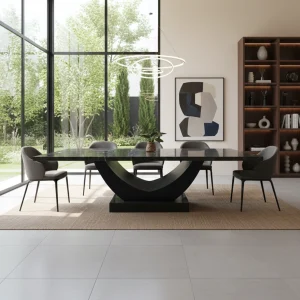
The dining table often occupies the visual centre of a dining area, making it one of the most effective pieces for establishing the character of the space.
Choosing Shape for Visual Presence
Rectangular dining tables create a strong, structured presence and work well in longer rooms. Round and oval tables create softer sightlines and can make conversation areas feel more intimate.
The shape should also respond to the surrounding architecture. A sculptural table can become a focal point in a relatively simple dining room.
Material Selection That Elevates Interiors
The material of a dining table can significantly change its visual weight. Marble and stone create a substantial, refined appearance, while wood introduces warmth and natural variation.
For a more contemporary interior, combinations of stone, wood, and metal can create contrast without relying on excessive decoration.
Creating Balance Around Dining Furniture
A statement dining table needs appropriately scaled chairs and sufficient space around it. Oversized chairs can compete with the table, while undersized chairs may make the arrangement feel disproportionate.
The aim is to create one cohesive dining composition rather than treating the table and chairs as separate purchases.
Recommended by Lamac:
Coffee Tables: Small Pieces With High Visual Influence
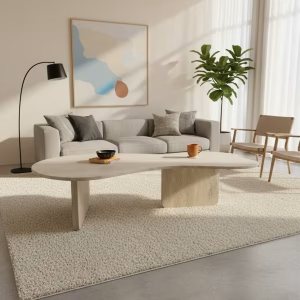
Although coffee tables are considerably smaller than sofas or dining tables, their central position means they can have a disproportionate influence on how a living room looks.
Choosing Sculptural Shapes
A coffee table with an unusual silhouette can immediately become a focal point. Rounded forms, layered surfaces, organic shapes, and geometric bases can add visual interest without taking up excessive space.
Sculptural luxury coffee tables can therefore introduce a strong statement element while keeping the overall furniture arrangement visually light.
Using Material Contrast
Material can make a relatively compact coffee table feel more substantial. Marble, travertine, wood, glass, and metal each create different visual effects.
A stone coffee table against soft upholstery, for example, introduces contrast between hard and tactile surfaces.
Styling Without Clutter
The table itself should remain visible. A few carefully selected books, trays, or decorative objects can complement the design, but covering the surface with accessories reduces the impact of the furniture.
Recommended by Lamac:
TV Units: Turning Functional Furniture Into a Feature Wall
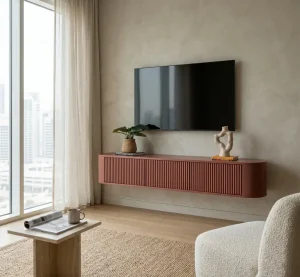
TV units are often treated primarily as storage or media furniture, but their size and position can make them one of the strongest visual elements in a living room.
Floating vs Floor Designs
Floating TV units create a lighter appearance and allow more of the floor to remain visible. Floor-standing designs can provide greater visual weight and may offer additional storage.
The choice should depend on the room’s proportions and the amount of storage required.
Using Scale to Create Presence
A TV unit that is too narrow can appear disconnected from the television and surrounding furniture. A wider design can create a more intentional composition, particularly when it extends across a significant section of the wall.
However, the unit should still relate proportionally to the television, sofa, and overall wall dimensions.
Coordinating Surrounding Furniture
The TV unit should work with the sofa, coffee table, lighting, and wall finishes. If the TV unit has a strong material or architectural form, the surrounding furniture can be kept simpler.
This creates a clear focal point instead of several competing ones.
Recommended by Lamac:
Console Tables: Creating Immediate Impact at Entry Points
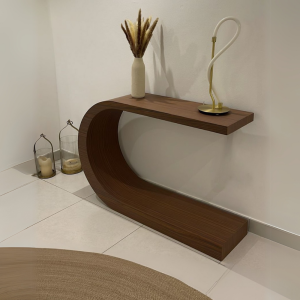
Console tables have a unique advantage: they are often positioned in areas that are viewed immediately upon entering a home. This makes them effective pieces for establishing the design language of the surrounding space.
Styling Entryways
A console can give an otherwise empty entrance a defined purpose. Its proportions should suit the available wall and circulation space, particularly in narrower entryways.
Keep the styling controlled so the console itself remains visible.
Pairing Consoles With Mirrors
A console and mirror form a natural combination. The mirror adds vertical presence and can reflect light, while the console anchors the lower part of the composition.
A statement mirror can also provide contrast when paired with a simpler console, or vice versa.
Creating Defined Zones
Beyond entryways, console tables can be used behind sofas, along hallway walls, or in transitional spaces. They can visually connect different areas of an open-plan interior while providing a practical surface.
Recommended by Lamac:
Furniture Materials That Increase Visual Impact
Material can determine whether a furniture piece feels subtle, warm, dramatic, or architectural. When selecting luxury home furniture, consider how each material will interact with the finishes already present in the room.
Marble and Stone Finishes
Marble and natural stone have inherent visual variation through veining, colour, and texture. A marble table can therefore become a focal point without requiring an elaborate silhouette.
These finishes work particularly well when the surrounding furniture is relatively restrained.
Upholstery and Texture
Upholstered furniture introduces softness and tactile depth. A textured bed, accent chair, or sofa can attract attention through its surface rather than its shape.
Bouclé, velvet, linen-inspired textures, and other tactile materials can help balance harder surfaces such as marble or metal.
Wood and Warm Finishes
Wood adds warmth and visual depth. Depending on its tone and finish, it can support anything from a contemporary interior to a more layered, earthy scheme.
Wood is particularly effective when a room contains several cooler finishes and needs a natural element to soften the overall composition.
Mixed Material Furniture
Furniture combining two or more materials can create visual complexity within a single piece. Marble paired with wood, upholstered surfaces combined with metal, or stone with a contrasting base can make furniture more distinctive.
Conclusion
The biggest visual impact often comes from making deliberate furniture choices rather than adding more pieces to a room. A strong focal point, supported by well-proportioned and complementary furniture, can give the space a clear sense of character and balance.
As you plan your interiors, consider which piece deserves the most attention and allow the rest of the room to support it. The right combination of scale, shape, material, and placement can make even a simple furniture arrangement feel considered and refined.
Ultimately, impactful interiors are built around quality over quantity. Choosing fewer, well-designed pieces can create a stronger and more cohesive result than filling the space with furniture. Explore Lamac’s luxury furniture collection for statement pieces that can bring this approach into your home.
FAQs
1. What furniture makes a room look expensive?
Furniture with strong proportions, quality materials, distinctive silhouettes, and considered finishes can make a room feel more refined. Marble tables, well-designed upholstered beds, sculptural coffee tables, and carefully selected consoles can create a strong impression when the surrounding space is kept balanced.
2. Which furniture piece should be bought first?
Start with the largest or most visually important piece in the room. This may be a bed in a bedroom, dining table in a dining area, or sofa and coffee table arrangement in a living room. Once the anchor is established, supporting furniture can be selected around it.
3. What creates the biggest visual impact in interiors?
Scale, shape, material, placement, and contrast have the greatest influence. A furniture piece becomes particularly impactful when these elements work together and the surrounding space gives it enough room to stand out.
4. Are statement furniture pieces worth it?
Yes, when the piece is appropriate for the room and serves a clear design purpose. One distinctive piece can establish a focal point and reduce the need for excessive decoration.
5. How do designers create luxury interiors?
Designers typically focus on proportion, material quality, spatial planning, lighting, texture, and visual hierarchy. Instead of making every element equally noticeable, they create a clear relationship between focal furniture and supporting pieces.
6. Can fewer furniture pieces create more impact?
Absolutely. Fewer, better-proportioned pieces often create greater visual clarity. Giving an important furniture piece sufficient space around it allows its shape, material, and detailing to become more noticeable.
Leave a Comment
Your email address will not be published. Required fields are marked *
You must be logged in to post a comment.