
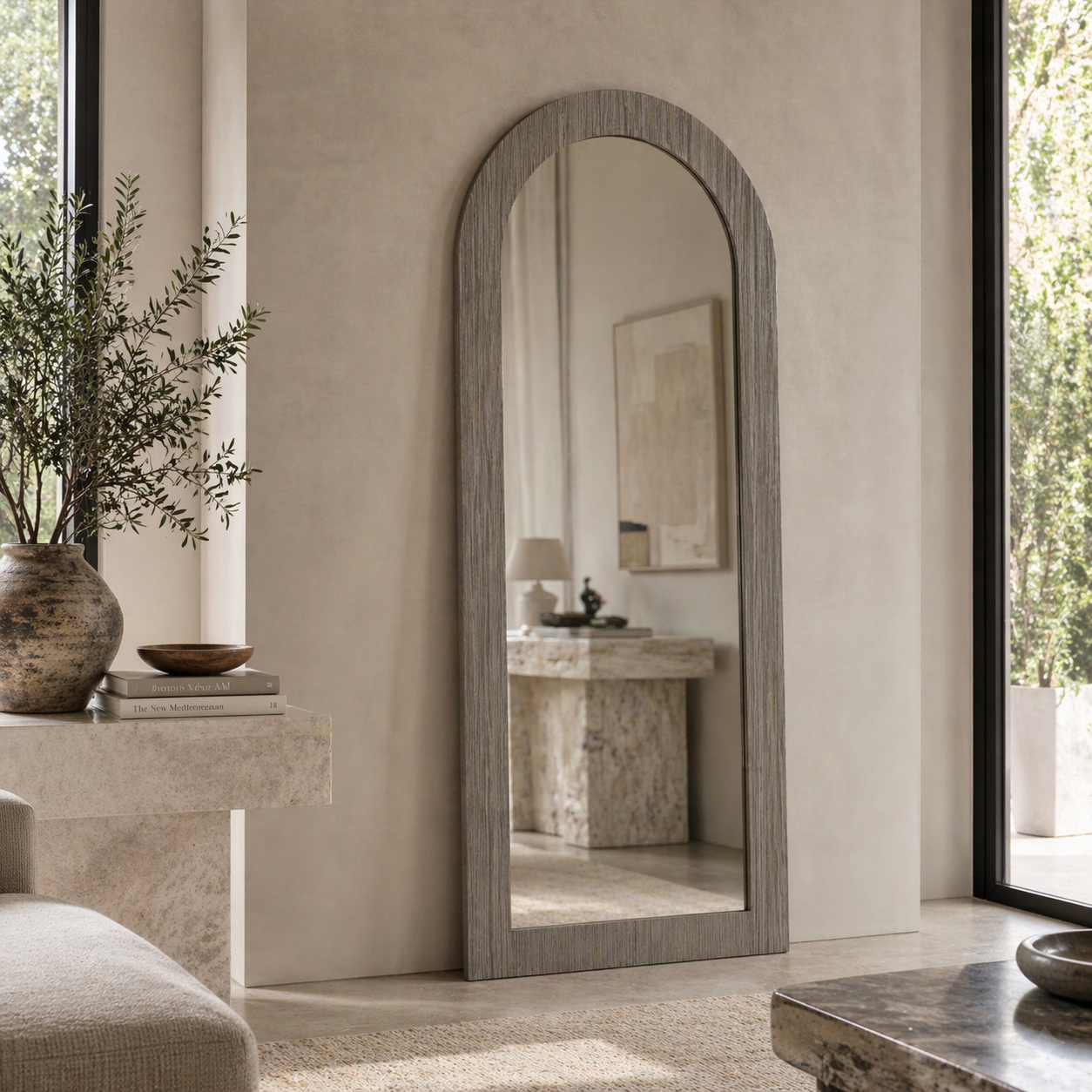
Mirrors influence how a room looks, feels, and functions. The right mirror can reflect natural light, create a sense of depth, and complement the furniture already in the space. However, choosing between a full-length mirror and a wall mirror depends on more than appearance.
The difference comes down to how much space you have, how you use the room, where the mirror will be placed, and the style you want to create. Understanding these factors makes choosing the right mirror easier, particularly when designing a contemporary or sophisticated home.
Full-Length Mirror vs Wall Mirror: What Is the Difference?
A full-length mirror is designed to reflect most or all of a person’s body. It can be freestanding, leaning, or mounted vertically on a wall. Because of its height, it is particularly useful in bedrooms, dressing areas, and spaces where you need a practical view of an outfit.
A wall mirror is attached directly to a wall and can vary significantly in size and shape. It may be positioned above a console table, dresser, vanity, or another piece of furniture, making it suitable for both functional and decorative purposes.
What to Consider When Choosing a Mirror
Room Function and Available Space
Start by considering what you need the mirror to do. A bedroom or dressing area may benefit from a full-length design, while an entryway or living room may work better with a decorative wall mirror.
Available floor and wall space also matter. A large full-length mirror can occupy valuable floor area, whereas a wall-mounted option keeps the floor clear.
Furniture Layout and Placement
Consider the furniture surrounding the mirror before choosing its size and style. A mirror should complement nearby pieces rather than make the arrangement feel visually crowded.
For example, a wall mirror positioned above a console table can create a balanced focal point in an entryway, while a full-length mirror placed beside a wardrobe can become a practical part of a bedroom layout.
Light, Proportion, and Visual Balance
The position of windows and existing light sources can influence how effective a mirror will be. A well-positioned mirror can reflect daylight deeper into a room and make the space feel more open.
Its proportions should also relate to the surrounding furniture. An oversized mirror may dominate a compact room, while a small mirror can appear disconnected from a large piece of furniture.
When a Full-Length Mirror Works Best
Bedrooms and Dressing Areas
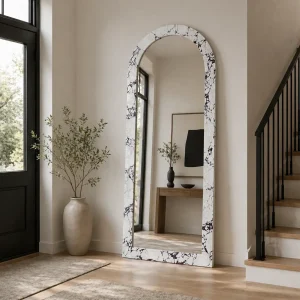
A full-length mirror for bedroom spaces is particularly useful when getting dressed is part of your daily routine. It allows you to see clothing and accessories from head to toe without requiring multiple mirrors.
It can be positioned beside a wardrobe, dressing table, or in an unused corner where its vertical form makes practical use of the available space.
Creating a Sense of Space
Tall mirrors can emphasise the height of a room and create a stronger sense of openness. When positioned thoughtfully, they can also reflect furniture, windows, or architectural details without requiring additional decorative elements.
This makes full-length mirrors useful in modern interiors where functionality and visual simplicity are important.
Supporting Everyday Use
A full-length mirror is primarily functional, but its frame and overall shape can still contribute to the bedroom’s design. A slim frame works well with minimalist furniture, while a more distinctive frame can complement a statement bed or other prominent piece.
For anyone comparing a wall mirror vs floor mirror, the floor-standing option can be preferable when flexibility and everyday dressing use are priorities.
When a Wall Mirror Is the Better Choice
Saving Floor Space
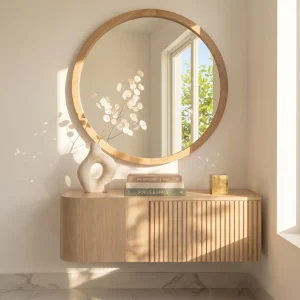
One of the main advantages of wall-mounted mirrors is that they do not require floor space. This can be especially useful in smaller bedrooms, apartments, hallways, and compact entryways.
A vertically mounted mirror can still provide considerable reflective surface while keeping the area around the floor open.
Creating a Decorative Focal Point
Wall mirrors offer greater freedom when it comes to shape and design. Round, oval, rectangular, arched, and irregular forms can introduce different visual qualities to a room.
For example, a softly curved mirror can balance furniture with strong geometric lines, while a large rectangular mirror can reinforce a clean, structured interior.
Living Rooms and Entryways
A mirror for living room spaces can be used to fill an empty wall, reflect light, or complement an existing furniture arrangement. In entryways, a mirror above a console can create a practical point for a final appearance check while adding visual interest.
These wall mirror ideas can work particularly well when the mirror is treated as part of the overall furniture arrangement rather than as an isolated accessory.
Choosing Mirrors for Different Rooms
Bedrooms and Dressing Areas
Bedrooms often benefit from a combination of functional and decorative mirrors. A full-length mirror can support dressing, while a smaller mirror positioned above a dressing table can provide a dedicated grooming area.
Dressing tables with mirrors can also create a coordinated zone without requiring several separate furniture pieces.
Living Rooms
Living rooms generally benefit from mirrors that complement the furniture arrangement. A large wall mirror can sit above a console, sideboard, or other prominent furniture piece, helping establish a visual focal point.
For a sophisticated interior, consider the frame, proportions, and relationship between the mirror and surrounding modern home furniture.
Entryways
Entryways are well suited to wall mirrors because they often have limited floor space. A mirror positioned above a console table can make the area feel more spacious while serving a practical purpose.
The combination of a console, mirror, and carefully selected accessories can also establish the design language used throughout the rest of the home.
Mirror Styles for Modern Homes
Minimal Frames and Clean Lines
Minimal mirrors work well with contemporary interiors where furniture features simple silhouettes and restrained detailing. Slim frames and uncomplicated shapes allow the mirror to complement the room without competing with other elements.
Curved and Organic Shapes
Curved mirrors can soften interiors dominated by straight lines. Round and oval forms can work particularly well alongside upholstered beds, curved furniture, or softer decorative elements.
The contrast between curved mirrors and structured furniture can create visual balance without requiring every piece to have the same shape.
Statement and Luxury Designs
A statement mirror can become a defining feature when its size, frame, or shape is visually distinctive. This approach works well in larger living rooms, entryways, and bedrooms where the mirror has enough surrounding space to stand out.
For interiors focused on refined detailing, luxury mirrors for home can complement premium materials, sculptural furniture, and layered finishes. The key is to allow the mirror to contribute to the room’s overall composition rather than overwhelming it.
How Mirrors Affect Light and Space
Reflecting Natural Light
Mirrors can reflect light from windows and other sources, helping distribute brightness across a room. Placement matters, however. A mirror facing a window can reflect daylight, while one positioned opposite an attractive architectural or decorative feature can bring that element into view from another part of the room.
Creating Depth and Openness
A well-placed mirror can give a wall additional visual depth. This is particularly useful in rooms where furniture is arranged close to the walls or where architectural space is limited.
Large mirrors can create a stronger effect, but the result depends on what they reflect. A mirror facing a cluttered area may simply make the space feel busier.
Making Smaller Rooms Feel Larger
In compact interiors, mirrors can visually expand the room by extending reflections beyond the physical boundaries of the wall. A wall-mounted design can be particularly effective because it adds this visual effect without taking up floor space.
The size, position, and surrounding furniture should still be considered carefully to maintain a balanced appearance.
Conclusion
The choice between a full-length mirror vs wall mirror ultimately depends on the role the mirror needs to play in your home. Full-length mirrors are practical choices for bedrooms and dressing areas, while wall mirrors offer greater flexibility for living rooms, entryways, and spaces where conserving floor area matters.
Rather than choosing a mirror simply because it matches another piece of furniture, consider its size, placement, shape, frame, and relationship with the surrounding furniture. A thoughtfully selected mirror can support both the function and visual balance of a modern interior.
Explore Lamac’s range of luxury mirrors, full-length mirrors, wall mirrors, dressing tables, beds, and console tables to find pieces that complement your interior design.
FAQs
1. Is a full-length mirror better than a wall mirror?
It depends on the intended use. A full-length mirror is better suited to dressing and everyday outfit checks, while a wall mirror offers more flexibility for decorative styling and space-efficient placement.
2. Which mirror makes a room look bigger?
A large, well-positioned mirror can make a room appear more spacious by reflecting light and creating visual depth. Wall mirrors are particularly useful where floor space is limited.
3. Where should a full-length mirror be placed?
A full-length mirror can be placed beside a wardrobe, dressing area, or in an open bedroom corner. It should be positioned where there is enough distance to use it comfortably without disrupting movement around the room.
4. Are wall mirrors suitable for bedrooms?
Yes. Wall mirrors can work well in bedrooms, particularly above dressing tables or other furniture. They are useful when you want a mirror without occupying additional floor space.
5. What mirror shape works best for modern homes?
There is no single best shape. Rectangular mirrors suit structured interiors, while round, oval, and curved designs can soften rooms with predominantly straight furniture lines.
6. Should mirrors match furniture?
Mirrors do not need to match furniture exactly. Instead, consider coordinating their proportions, finishes, shapes, or materials with nearby pieces to create a cohesive interior.
Leave a Comment
Your email address will not be published. Required fields are marked *
You must be logged in to post a comment.